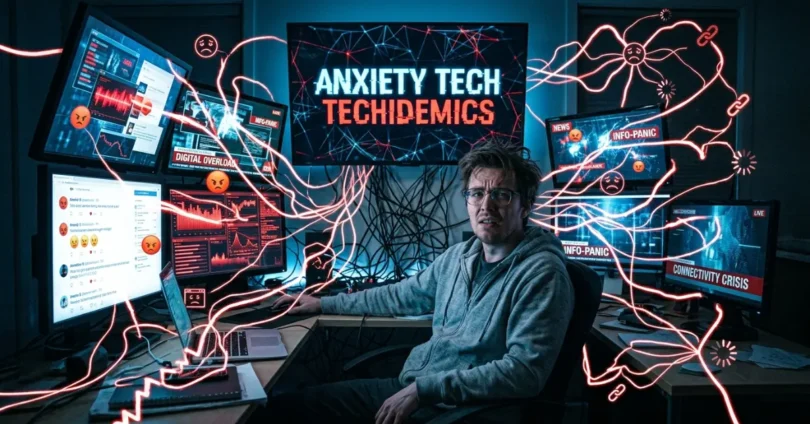
Anxiety Tech Techidemics is a modern problem that happens when technology starts affecting the human mind in a negative way. People spend most of their time on smartphones, social media, and computers, which can slowly increase stress and worry. Anxiety Tech Techidemics shows how constant screen use, online pressure, and digital habits can disturb peace of mind and create feelings of fear or tension in daily life.
Main Causes of Technology-Based Anxiety
Technology-based anxiety happens for many simple reasons linked to our daily digital habits. One of the main causes is spending too much time on screens like mobile phones, laptops, and tablets. Social media also plays a big role because people often compare their lives with others, which creates stress and low confidence.
Another cause is the constant flow of notifications, messages, and online updates that keep the mind always active and restless. Too much information on the internet can also confuse the brain and increase worry. All these factors together slowly build anxiety in everyday life.
How Smartphones Increase Anxiety
Smartphones make life easy, but too much use can slowly increase stress and worry in daily life.
- Constant Notifications: Phones keep buzzing all the time, which disturbs focus and creates mental pressure.
- Fear of Missing Out: People feel anxious when they see others having fun or achieving more on social media.
- Overuse of Social Media: Too much scrolling can lead to comparison, sadness, and low self-confidence.
- Sleep Problems: Late-night phone use affects sleep quality and makes the mind tired.
- Information Overload: Too many messages, videos, and news can confuse the brain and increase stress.
Smartphones can increase anxiety when they are not used in a balanced and controlled way, so healthy usage is very important for a calm mind.
Role of Social Media in Mental Stress
Social media is a big part of daily life, but it can also create mental stress when it is used without balance. It affects emotions, thinking, and self-confidence in different ways.
- Life Comparison: People compare their real life with others’ perfect online posts, which creates sadness and pressure.
- Fake Lifestyle Effect: Many posts show unrealistic success and happiness, which makes users feel unhappy with their own life.
- Negative Comments: Hurtful comments and online criticism can increase stress and reduce confidence.
- Addiction to Scrolling: Spending too much time on social media makes the mind tired and less focused on real life.
- Pressure to Stay Active: Users feel forced to post regularly and stay updated, which creates mental pressure.
Social media can increase mental stress when it is not used carefully, so balance and limited use are very important for a healthy mind.
Symptoms of Tech-Related Anxiety
Tech-related anxiety shows many simple signs that affect how a person feels, thinks, and behaves in daily life. It usually happens when technology is used too much without balance.
- Constant Worry: Feeling nervous or worried without any clear reason.
- Restlessness: Unable to stay calm or relax even in free time.
- Poor Focus: Difficulty in concentrating on studies or daily tasks.
- Headache and Tiredness: Feeling physical fatigue due to mental stress.
- Irritation: Getting angry or upset easily over small things.
- Sleep Disturbance: Trouble sleeping because of overthinking or screen use.
Tech-related anxiety can affect both mind and body, so noticing these symptoms early is important for better mental health.
Effects of Anxiety Tech Techidemics on Daily Life
Anxiety Tech Techidemics can slowly affect a person is normal routine and make daily life more difficult. It impacts both mental health and everyday activities.
- Poor Study or Work Performance: Lack of focus makes it hard to complete tasks properly.
- Weak Social Interaction: People avoid meeting others and prefer staying alone.
- Low Confidence: Constant stress reduces self-belief and motivation.
- Mood Changes: Frequent sadness, anger, or irritability without clear reason.
- Sleep Problems: Disturbed sleep leads to tiredness during the day.
- Less Interest in Activities: Losing interest in hobbies and enjoyable things.
Anxiety Tech Techidemics can disturb normal life balance, so managing technology use is important for a healthy and active lifestyle.
How Technology Can Also Help Reduce Anxiety
Technology is not only a cause of anxiety, it can also help people feel calm and relaxed when used in a smart way. Many digital tools are made to support mental health and reduce stress.
- Meditation Apps: Apps guide breathing exercises and help calm the mind.
- Online Therapy: People can talk to experts from home and get mental support.
- Relaxing Content: Soft music, nature sounds, and calming videos help reduce stress.
- Fitness Apps: Exercise reminders and workout guides improve mood and energy.
- Sleep Apps: Tools that help improve sleep quality with sounds and routines.
Technology can reduce anxiety when it is used in a positive and balanced way to support mental well-being.
Simple Ways to Control Tech-Based Anxiety
Tech-based anxiety can be controlled by making small and simple changes in daily digital habits. These easy steps help keep the mind calm and healthy.
- Limit Screen Time: Use mobile and computer for a fixed time only.
- Take Breaks: Stop using devices for short breaks to relax the mind.
- Avoid Excess Social Media: Reduce unnecessary scrolling and online comparison.
- Stay Physically Active: Spend time walking, playing, or doing exercise.
- Focus on Real Life: Talk with family and friends instead of only using phones.
- Use Technology Wisely: Use apps only for learning, work, or useful purposes.
Tech-based anxiety can be controlled easily when technology is used in a balanced and mindful way.
Healthy Digital Habits for a Better Mind
Healthy digital habits help keep the mind calm, focused, and stress-free while using technology in daily life.
- Fixed Screen Time: Use devices for a limited and planned time each day.
- No Phone Before Sleep: Avoid screens at night to improve sleep quality.
- Follow Positive Content: Watch and read useful and uplifting information online.
- Take Digital Breaks: Step away from screens after regular intervals.
- Keep Notifications Off: Reduce unnecessary alerts to avoid distraction and stress.
- Balance Online and Offline Life: Spend equal time in real-world activities and digital use.
Healthy digital habits make the mind more peaceful and help maintain a better mental balance in daily life.
Role of Parents and Teachers in Managing Anxiety
Parents and teachers play an important role in helping children and students manage tech-related anxiety in a healthy way. Their guidance can build good habits and reduce stress in daily life.
- Proper Guidance: Parents and teachers teach children how to use technology in a balanced way.
- Screen Monitoring: They help control screen time and reduce unnecessary device use.
- Open Communication: Talking openly about feelings helps reduce fear and mental pressure.
- Encouraging Outdoor Activities: They motivate children to play, exercise, and spend time outside.
- Building Confidence: Positive support helps students feel strong and less anxious.
- Teaching Digital Awareness: They explain the benefits and risks of technology in simple words.
Parents and teachers can reduce anxiety by guiding children toward healthy digital habits and emotional balance.
Common FAQs About Anxiety Tech Techidemics
Faqs of Anxiety Tech Techidemics:
What is Anxiety Tech Techidemics in simple words?
It is a condition where too much use of technology creates stress, worry, and mental pressure in daily life.
Can games also cause tech-related anxiety?
Yes, spending too much time on games can reduce focus, disturb sleep, and increase stress levels.
How does internet browsing affect mental health?
Too much browsing can overload the brain with information, making it hard to relax and think clearly.
Is tech anxiety only found in students?
No, it can affect anyone, including adults, office workers, and even older people who use technology heavily.
Can lack of internet also cause anxiety?
Yes, some people feel uncomfortable or stressed when they are away from the internet for long periods.
Does watching videos on mobile increase anxiety?
Watching too many fast or emotional videos can overstimulate the mind and cause mental fatigue.
Can tech anxiety affect memory?
Yes, constant distraction from devices can reduce attention span and make it harder to remember things.
Is tech anxiety a permanent condition?
No, it is not permanent. With better habits and balanced usage, a person can improve mental health over time.
Conclusion
Anxiety Tech Techidemics is a modern problem that grows when technology is used without balance. It can affect mental peace, focus, sleep, and daily performance in both students and adults. However, it is not a permanent issue and can be controlled with simple lifestyle changes and healthy digital habits.
By using technology in a smart and limited way, people can enjoy its benefits while keeping their mind calm and stress-free. A balanced digital life is the key to better mental health and a happier future.